


Enquire Form
How Orthodontists Can Increase Case Acceptance in Aligner Treatment?
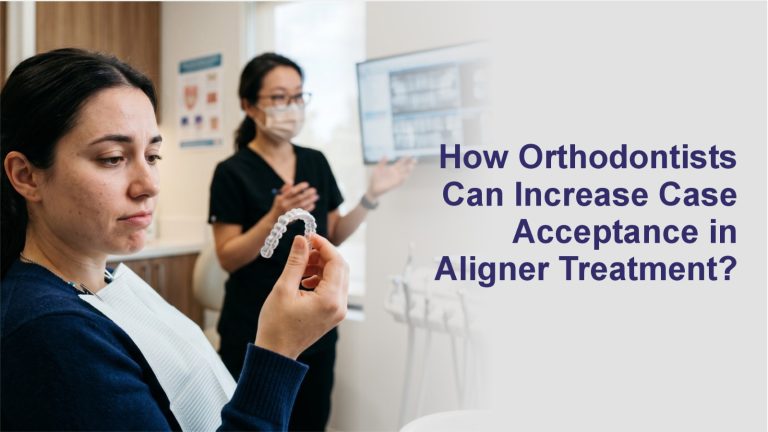
Increasing case acceptance in aligner treatment is one of those challenges that does not get talked about enough in dental circles. As an orthodontist or a dentist, you run a great consultation, explain the process thoroughly, and the patient nods along, seems genuinely interested, and then simply does not come back. It happens more than most practices admit, and if you are seeing this pattern regularly, you are likely leaving a significant amount of revenue on the table without fully understanding why. So let us look at what is actually going on, and more importantly, what can be done about it.
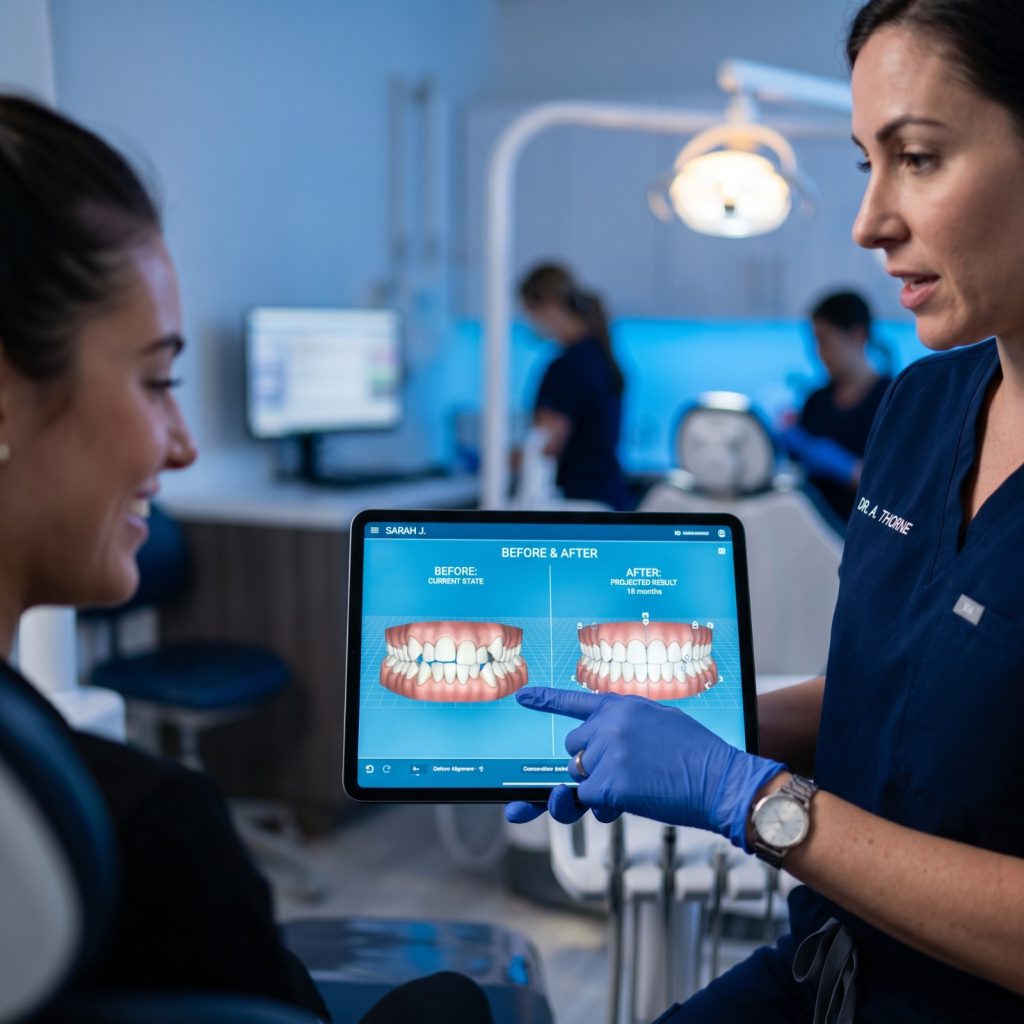
What Is Getting in the Way of Increasing Case Acceptance in Aligner Treatment?
The reasons patients do not convert are rarely about the dentist. More often, it comes down to a combination of doubt, incomplete information, and a lack of social proof.
Uncertainty about outcomes is probably the biggest factor. Patients researching aligner treatment will read mixed reviews online. Some say it worked brilliantly; others complain about endless refinements and results that fell short of expectations. When they sit in your chair, uncertainty comes with them. If the way you explain the treatment plan does not actively address those doubts, they will leave and let those doubts make the decision for them.
Then there is the issue of treatment timelines. Aligner treatment has a reputation for running longer than initially quoted, and patients know this. If they have heard stories from friends or colleagues about unexpected refinements stretching the process by months, they are going to be cautious. Even if your outcomes are consistently excellent, you are fighting against a broader perception problem in the market.
Word of mouth cuts both ways here. A strong referral from a satisfied patient can close a case faster than any consultation script. But the absence of positive testimonials, or worse, the presence of negative ones, can quietly kill your acceptance rates without you ever knowing it.
Finally, and this one is worth sitting with, your own case library matters more than you think. If you cannot show patients compelling before and after results from actual cases you have treated, the consultation loses its grounding. Patients want evidence, not just an explanation. A treatment coordinator can present all the right information, but without visual proof of good outcomes, the emotional case for moving forward simply does not land.
What Lower Case Acceptance Actually Costs You?
It is easy to frame this purely as a conversion problem, but the consequences go further than that.
Every patient who walks away without committing is not just lost revenue from that one treatment. They are also a referral that never happens. In orthodontic and aligner-focused practices, a good chunk of new enquiries typically comes from patients who were treated well and told someone about it. When your acceptance rates are low, that pipeline quietly shrinks over time.
There is also a confidence dimension that is harder to quantify. When a practice consistently struggles to convert consultations, it can affect how the clinical team presents treatment. If you are not seeing strong acceptance, it is natural to begin second-guessing how you communicate outcomes. That hesitancy can become noticeable in consultations and compound the problem further.
How Better Clinical Outcomes Can Change the Conversation?
Here is what tends to get overlooked in discussions about case acceptance: the quality of the aligner material itself plays a significant role in whether patients convert and stay committed.
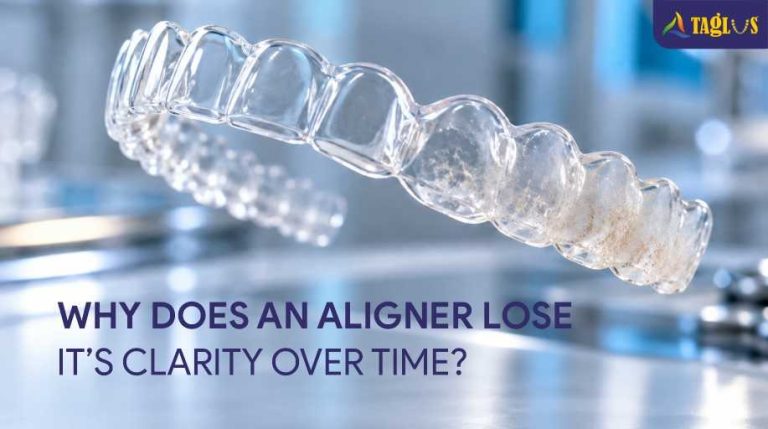
Aligner performance is not uniform across the board. Patients who experience discomfort, poor fit, or visible quality issues mid-treatment are not quiet about it. That feedback circulates. On the other side, practices that consistently deliver well-fitting, aesthetically clean aligners tend to build a different kind of reputation, one that supports both case acceptance and long-term referrals.
For orthodontists and dental professionals who are serious about improving their numbers, it is worth looking closely at the materials and systems behind the aligners they offer. From thermoforming sheet quality, machine precision, to trimming accuracy, there are many factors which contribute to the quality of the final aligners that a patient ends up receiving. These are not minor details; they directly influence patient experience, compliance, and ultimately, results.
Building a Aligner Practice That Patients Trust Enough to Say Yes:
There are many ways in which a dentist can increase case acceptance. Some of the methods are as follows:
- Invest in your case documentation. Make it a habit to capture proper before and after records for every suitable case. Over time, this builds a library that does more selling than any brochure.
- Address common objections head-on during consultations. If patients are worried about refinements, talk about your refinement and other mid-treatment problems honestly. Transparency builds more trust than optimism.
- Ask satisfied patients for referrals. This sounds basic, but many practices simply do not have a structured approach to it. A patient who had a good experience is usually happy to share it; they just need a nudge.
- Review your material and equipment choices. The quality of the aligner your patient receives sets the tone for the entire treatment. If the aligners fit well and look good, compliance and satisfaction follow.
Taglus works with dentists and aligner manufacturers to support better clinical outcomes through high-quality thermoforming sheets and precision automatic thermoforming and trimming machines. Better materials mean better-fitting aligners, and better-fitting aligners mean more patients who see results worth talking about.
If you want to understand how improved aligner quality could support higher case acceptance in your practice or manufacturing process, contact us to explore partnership opportunities with Taglus directly.
Have Questions?
 Talk to us on WhatsApp

Know More About Us
SignUp To Our Newsletter And Get To Know More About Taglus

Taglus is the global industry leader in the manufacturing of innovative clear Aligner and retainer thermoplastic sheets.

Copyrights@taglus-2026
*Taglus is a trademark of Vedia Solutions
Leave a Reply