


Enquire Form
How to choose the right thermoforming sheets for night guards: Things you need to know
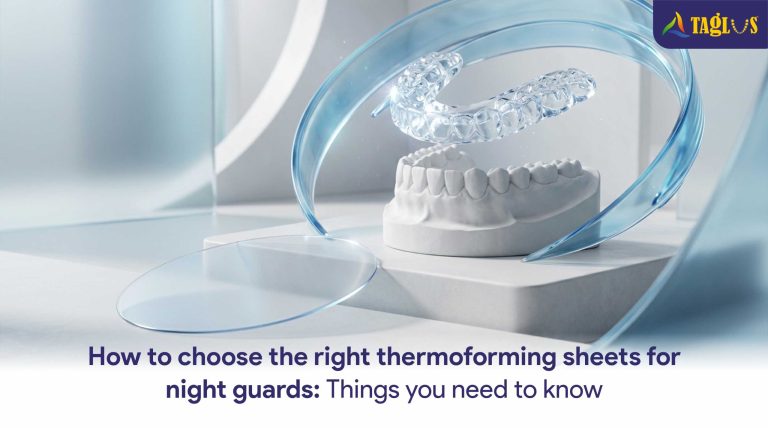
A comfortable night guard can make a difference for patients who grind or clench their teeth while sleeping. Patients usually notice how the night guard fits and feels. Much of that experience depends on the work done in the dental lab. One important part of this process is choosing the thermoforming sheet. With different materials and thicknesses available, the choice of thermoforming sheet is not always straightforward. A thermoforming sheet may look suitable at first. It can behave differently when heated and formed over a dental model. Understanding these differences helps dental labs make material choices for night guards and avoid common fabrication problems. Let us look at what matters when selecting a thermoforming sheet for night guards.
Which Sheet Should You Pick?
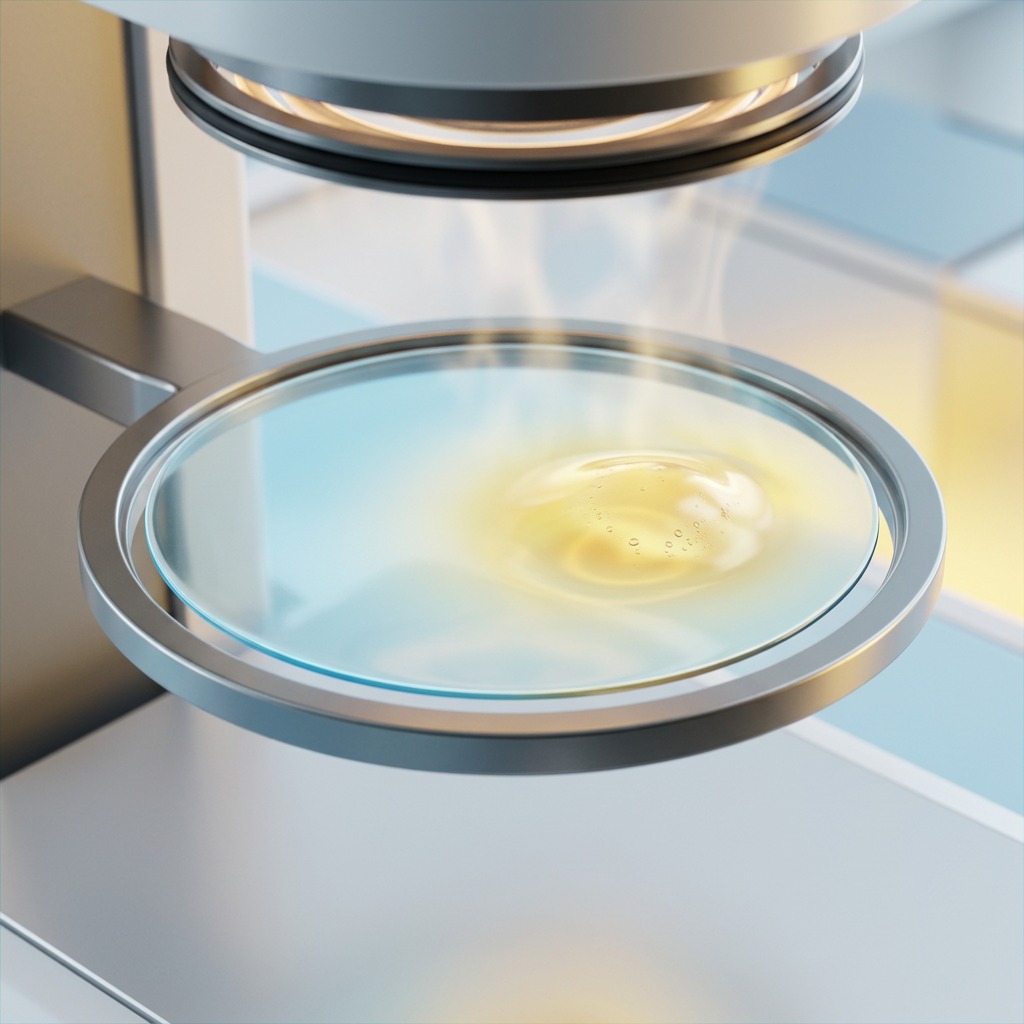
Soft, hard and layered sheets all have their place in dental appliance fabrication. The main differences are fairly easy to understand.
| Sheet type | How it behaves | Where it may be used |
| Soft EVA | Flexible and cushioned | Soft night guards and sports mouthguards |
| Hard thermoplastic | Rigid and firm | Hard occlusal splints |
| Dual-layer material | Combines soft and firm layers | Selected appliances requiring both properties |
A soft sheet is easier to bend. But that doesn’t make it suitable for every grinding case. A hard sheet provides a firmer surface. Yet it may not be appropriate when the dentist has prescribed a flexible appliance. Start with the intended use. Then look at the material options.
The 2 mm Sheet Doesn’t Stay 2 mm
A 2 mm EVA sheet is a useful starting point for many standard soft night guards. But the thickness printed on the pack refers to the sheet before forming. Once heated, the material stretches over the dental model. It passes over molar cusps and follows the grooves and curves of the teeth. Some areas stretch more than others. That means the finished guard may have different thicknesses across its surface. It’s worth paying attention to this, especially when working with tall models or pronounced tooth anatomy. Taglus Soft comes in 1.5 mm, 2 mm and 3 mm options. Its 2 mm sheet is recommended for standard soft night guards. The 1.5 mm option is intended for applications such as bleaching trays and duplication moulds. The 3 mm option is suited to mouthguards requiring more cushioning. A thicker sheet isn’t automatically a better choice for heavy grinding. In some cases, the patient may need a different type of guard.
Soft Doesn’t Always Mean Comfortable
A soft sheet offers flexibility, but comfort also depends on fit. A poorly trimmed soft guard can irritate the gums. A loose one may not stay seated properly. The edges need careful finishing. Retention must be checked. The guard should follow the intended design without unwanted pressure. This is also why selecting a sheet based only on how soft it feels is not enough. EVA materials are often used for flexible dental appliances. Taglus Soft, for example, is an EVA-based sheet available for night guards, mouthguards, and other applications. Its 2 mm option is intended for standard soft night guards. The dentist still needs to check the finished appliance in the patient’s mouth. Material selection cannot replace that step.
A Good Model Makes the Job Easier
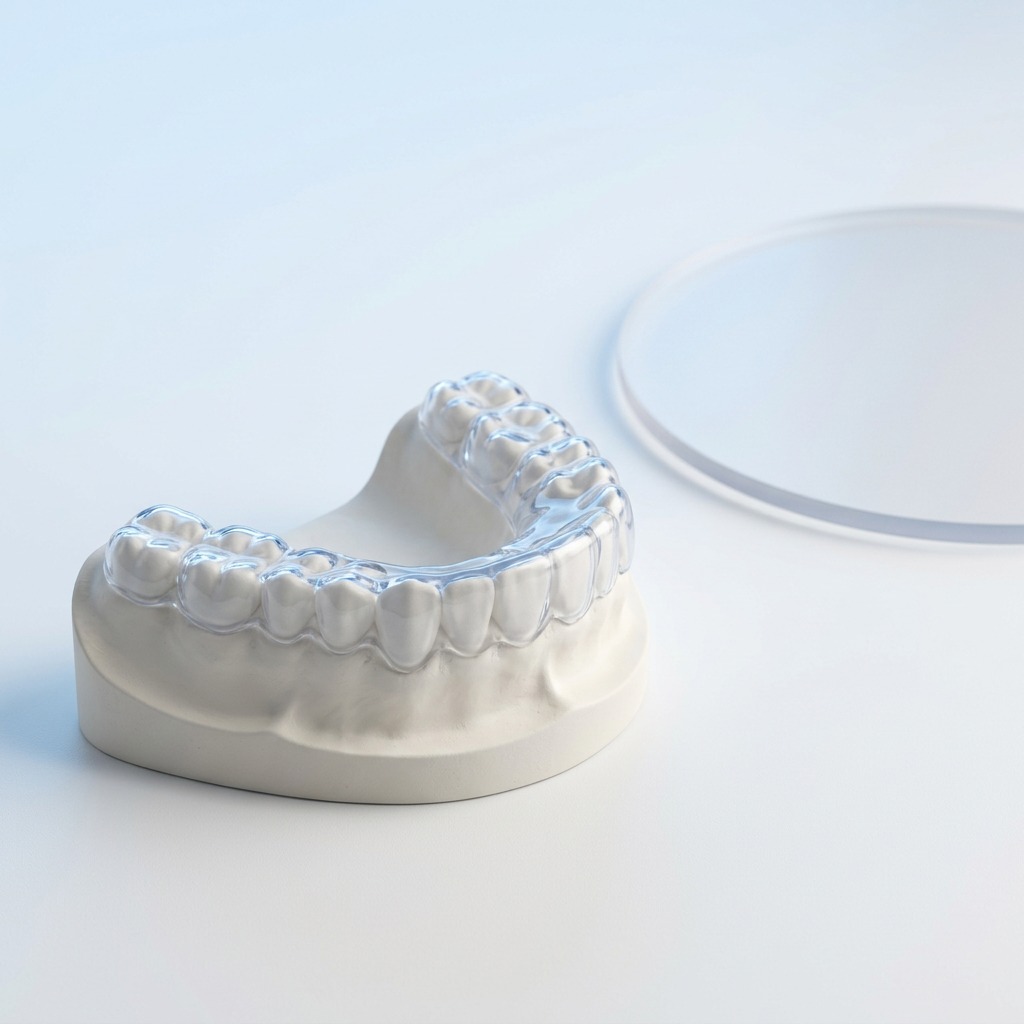
The dental model has a direct effect on the finished guard. Take a 3D printed model with a small support mark left on a tooth surface. The thermoforming sheet may pick up that unwanted detail. The guard may then need an adjustment that could have been avoided. The same applies to rough surfaces, damaged tooth anatomy, and leftover printing residue. It is worth checking the model before heating the sheet. Model height and positioning matter too. A sheet stretched over a tall model may thin differently from one formed over a lower model. Sometimes the material gets blamed for a problem that actually started with the model.
A Cheaper Sheet May Not Save Money
The purchase price is one piece of the cost when making a night guard. Let’s say a lab produces 25 guards in one week. If three of them need to be remade due to issues during fabrication, that means three extra sheets are used and three more forming cycles are needed. The technicians also spend time trimming and finishing those remakes. That extra work can slow things down for cases waiting to be made.
Not every remake is caused by the material. Sometimes the problem comes from a scan or a flawed model. Still, it is important to keep track of how a sheet performs. When testing a material watch how it adapts to models. Pay attention to how the material behaves after cooling. See whether trimming is easy and clean. These small observations made every day often reveal more than the price printed on the package.
Small Checks That Prevent Problems
While making a nightguard, most night guard errors do not start with one mistake. Night guard errors start with situations. The wrong sheet was chosen from the shelf. The model had a defect. The material was heated using a setting. The margin was trimmed close. Each of these can affect the result. A simple production routine helps. Confirm the material. Check the thickness. Inspect the model. Follow the forming instructions. Then look at the guard carefully before sending it to the clinic. The aim is not to make the process complicated. The aim is to catch problems while they’re still easy to fix.
Conclusion
Choosing a thermoforming sheet for night guards is more than choosing a thickness. First, the type of night guard must be decided. After that the material, the model, and the forming process are considered. Soft EVA sheets are suitable for some night guards. Rigid materials are chosen when the required night guard must be firm and adjustable. For soft night guards a 2 mm EVA sheet such as Taglus Soft is one option. Regardless of the material the finished night guard must be shaped correctly trimmed and examined clinically. A little care, at each step can prevent a lab from repeating the work.
Have Questions?
 Talk to us on WhatsApp


Know More About Us
SignUp To Our Newsletter And Get To Know More About Taglus

Taglus is the global industry leader in the manufacturing of innovative clear Aligner and retainer thermoplastic sheets.

Copyrights@taglus-2026
*Taglus is a trademark of Vedia Solutions
Leave a Reply