


Enquire Form
How Advanced Aligner Materials Improve Predictability in Orthodontic Treatment
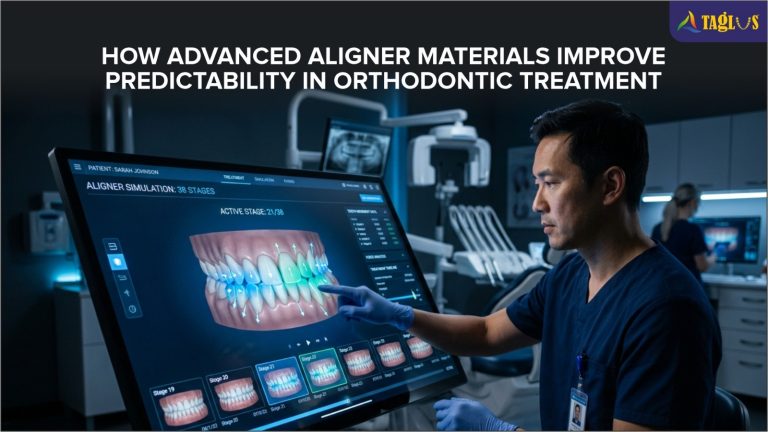
The Problem No One Talks About Enough
Dentists plan the case perfectly with careful inspection and scrutiny. The digital setup looks ideal, the staging feels right, and everything aligns on screen. Yet many times it’s observed that when the patient returns, something feels off and not as planned.
Continuous tracking fails, and down the line, refinements start increasing. Timelines begin to stretch.
At this point, it is easy to question the plan. But in many cases, the issue is not planning. The issue is that many labs and orthodontists do not upgrade their materials. When the material is advanced, it gives a predictable course throughout the treatment line.
What Actually Goes Wrong Clinically
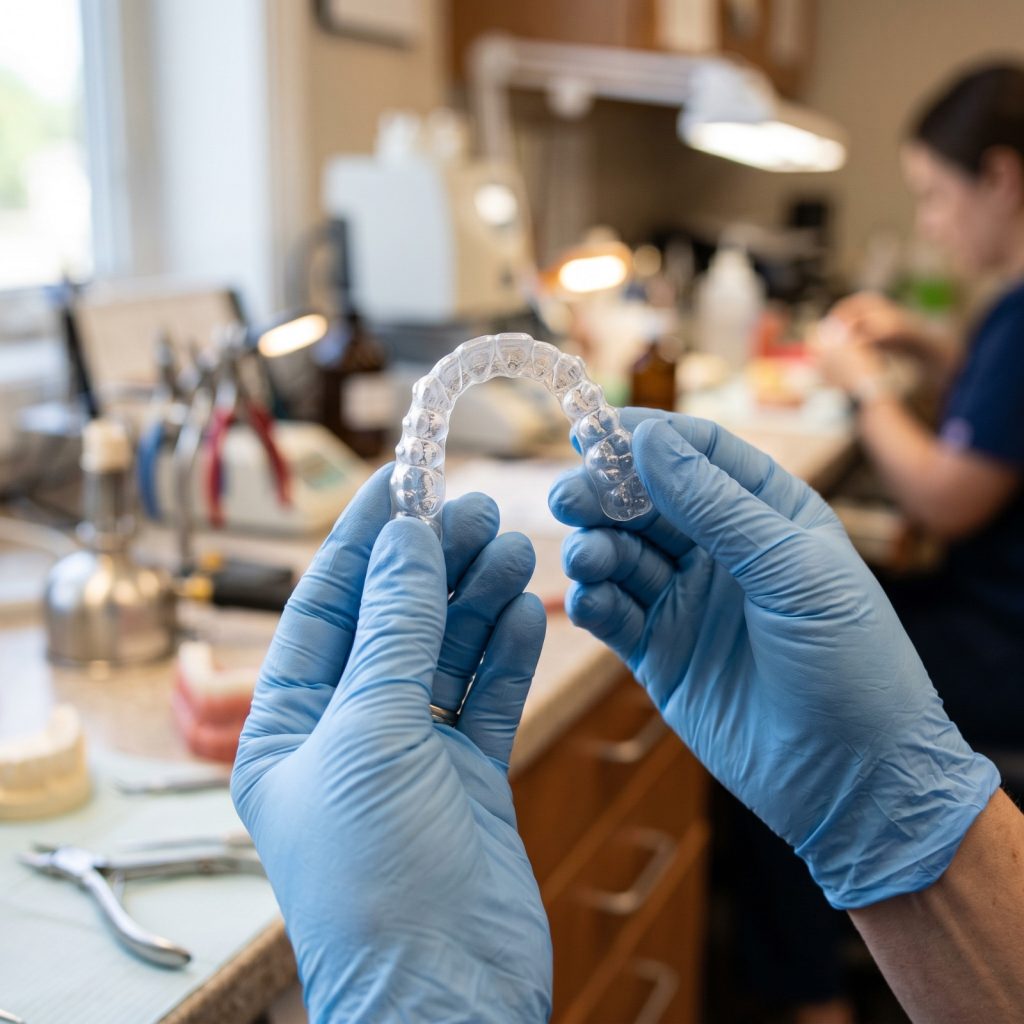
When the aligner material does not perform consistently, every stage of treatment starts to drift away from the plan. Force delivery becomes inconsistent, the constant force decays earlier than expected, and aligner-tooth engagement reduces.
The most underrated contact with the enamel and aligner also affects the treatment path. Even small micro-gaps between the aligner and enamel begin to impact movement accuracy.
Clinically, this translates into poor tracking, mid-treatment deviations, and a noticeable increase in refinements. Over time, patients begin to lose confidence as results do not match expectations. Most importantly, the digital plan stops reflecting clinical reality.
Why This Happens: The Real Insight
The core issue lies in the constant force’s sustainability over time.
Many conventional aligner materials deliver an initial force spike but due to a lack of optimal tensile strength and flexibility, they fail to maintain that force across the intended wear period.
As the material relaxes and gets fatigued, it loses elasticity and cannot sustain programmed tooth movement.
Instead of a controlled, continuous force, what you get is intermittent force delivery. This creates an unpredictable biological response and leads to movement lag. At that point, even the most accurate plan cannot achieve its intended outcome. This is where aligner treatment predictability breaks.
What Advanced Multilayer Materials Do Differently
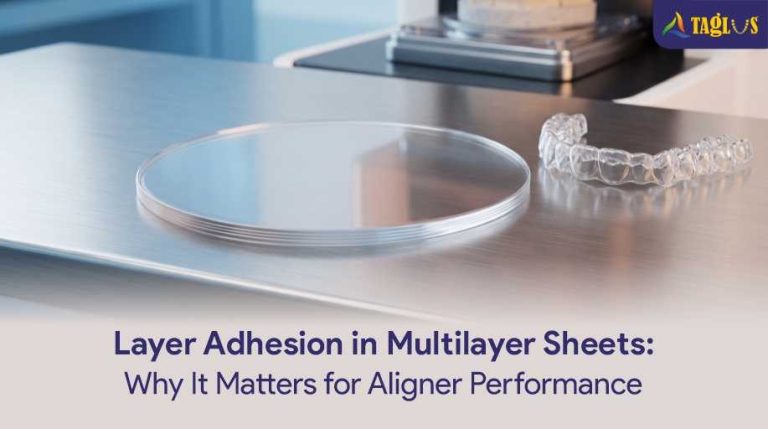
Advanced multilayer materials such as Taglus Ultra address this challenge at the material level itself.
They are designed to deliver controlled force that stays within the optimal biological range, avoiding both excessive pressure and insufficient activation. More importantly, they sustain this force over time rather than allowing it to drop rapidly after insertion.
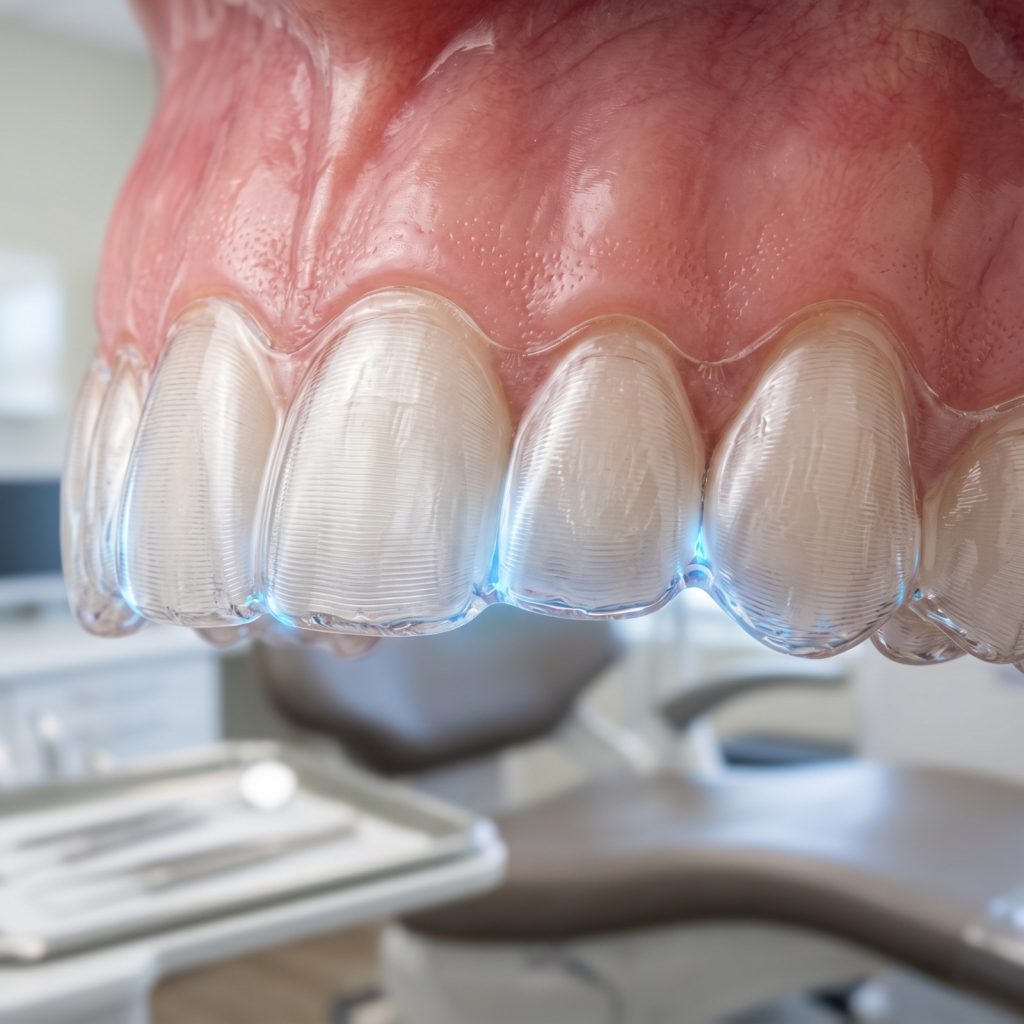
The improved thermoforming response ensures tighter adaptation to tooth surfaces, which enhances attachment engagement and minimizes micro-movement loss. At the same time, the layered structure helps absorb stress without permanent deformation, reducing material fatigue across wear cycles.
Clinical Impact You Will Notice
When material performance aligns with clinical intent, outcomes become significantly more predictable. Planned movements begin to match achieved movements more closely. Refinements reduce, treatment duration becomes shorter, and patient compliance improves naturally.
Instead of constantly correcting mid-treatment deviations, you begin to execute cases as originally planned.
Lab Advantage: Precision Without Rework
For labs, the impact is equally significant.
Consistent material behaviour leads to predictable thermoforming results, reducing variability across batches. This directly minimizes remakes, improves turnaround time, and enhances overall production efficiency.
When material remains consistent, workflows become consistent. And that consistency reflects in both output quality and client satisfaction.
Why This Matters Now
Aligner demand continues to grow globally. However, scaling without predictability creates pressure across the system. Clinicians face frustration, labs’ experience overload, and patients lose trust when outcomes vary.
If the material cannot sustain force and accuracy, the system cannot scale effectively.
The Taglus Integration
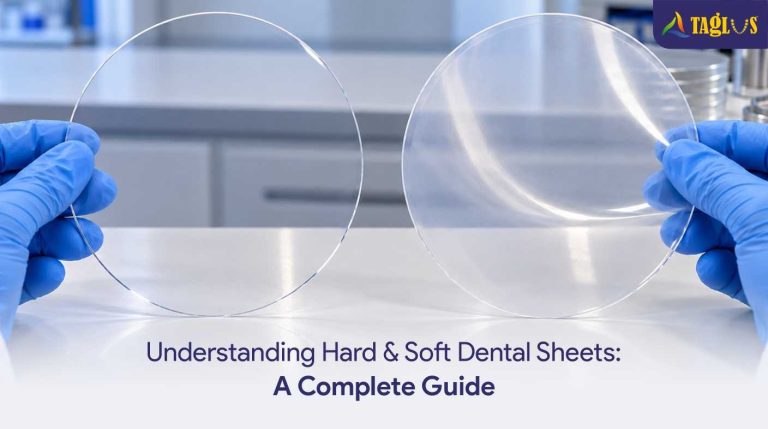
Taglus multilayer sheets are engineered to maintain force delivery across wear cycles, improve tracking accuracy, and minimize deviations from the treatment plan.
They do not just enhance material properties. They strengthen the entire treatment system by bringing consistency where it matters most.
Let’s take a moment to see the difference in a traditional and innovative material
| Parameter | Conventional Materials | Advanced Multilayer Materials (Taglus Ultra) | Clinical Impact |
|---|---|---|---|
| Force Delivery | High initial spike, inconsistent thereafter | Controlled and optimized force levels | More accurate tooth movement |
| Force Sustainability | Rapid force decay | Sustained force over wear duration | Improved tracking, fewer deviations |
| Elasticity | Loses elasticity very fast | Maintains elasticity across cycles | Stable biological response |
| Fit & Adaptation | Micro-gaps, weaker engagement | Tight adaptation, better fit | Improved attachment engagement |
| Material Fatigue | Deforms under stress | Resists deformation due to layered structure | Consistent performance per aligner |
| Tracking Accuracy | Unpredictable in complex cases | High predictability | Reduced refinements |
| Treatment Timeline | Often extended | More efficient progression | Optimal |
Final Thought
You cannot correct material limitations through better planning alone. But when material performs as intended, your planning finally translates into predictable clinical outcomes.
Taglus is one of the largest aligner and retainer sheets manufacturers and we are focused to simplify the aligner treatment journey through better and intuitive materials that go parallel with the case requirements. If you want to know more about Taglus products, click here . We encourage you to explore how Taglus materials can improve your clinical predictability. Contact us, book a demo and experience the difference, one case at a time.
Have Questions?
 Talk to us on WhatsApp
Know More About Us
SignUp To Our Newsletter And Get To Know More About Taglus

Taglus is the global industry leader in the manufacturing of innovative clear Aligner and retainer thermoplastic sheets.

Copyrights@taglus-2026
*Taglus is a trademark of Vedia Solutions
Leave a Reply