


Enquire Form
How Orthodontists Can Reduce Emergency Visits During Aligner Treatment
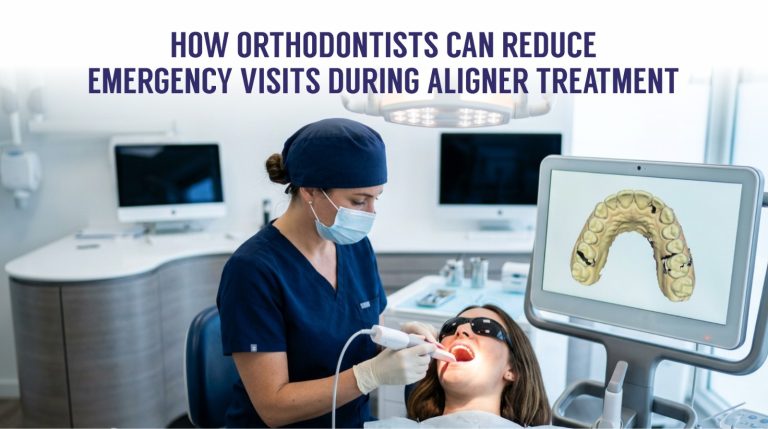
Most orthodontists want to run an efficient practice, but not all of them can immediately pinpoint what is quietly eating into their clinical hours. Clear aligners are more popular than ever, and patient numbers are growing steadily. One of the biggest selling points of aligner treatment is that it typically requires fewer in-person visits compared to traditional metal braces. But when treatment lacks proper planning, monitoring, and guidance, those “fewer visits” can quickly turn into unplanned emergencies that disrupt your schedule and frustrate your patients. For orthodontists, getting ahead of the problem is the key. Here is a closer look at how orthodontists can reduce emergency visits during aligner treatment.
Ways Orthodontists Can Reduce Emergency Visits During Aligner Treatment
1. Realistic Treatment Planning
One of the more common reasons patients end up back in the chair unexpectedly is that the treatment plan pushed the teeth to move faster or further than they realistically could. Difficult tooth movements, particularly torque, extrusion, and root correction, take time. When these movements are compressed into fewer stages than they need, the aligners stop tracking and patients start panicking.
Factoring in appropriate staging for complex movements from the very beginning can prevent a lot of this. Avoiding excessive force should be avoided; refinements should be allowed to run their own course to ensure that fewer cases are falling off track. It may feel like a slower approach, but it tends to produce far fewer dental visits in the long run.
2. Investing in a Quality Aligner Workflow
The materials and equipment you use matter more than practitioners sometimes acknowledge. Thermoforming sheets that do not retain their shape properly, machines that apply inconsistent pressure, or resins that produce inaccurate models will all affect how well the aligners fit. Poor fit is one of the leading causes of patient discomfort and tracking failures that send them rushing back to the clinic.
Choosing high-quality thermoforming sheets with consistent thickness and using well-calibrated thermoforming machines and working with accurate resins for model fabrication can reduce a significant portion of fit-related complaints. The upfront investment in a reliable workflow tends to pay for itself when you account for the time saved on unplanned appointments.
3. Guiding Your Patients Properly
Patients who do not understand their treatment tend to overcommunicate the wrong things and under communicate the right ones. Some will call or visit over mild soreness that is completely normal in the first few days of a new tray. Others will wait weeks before mentioning that their aligners stopped fitting correctly.
Clear patient education at the start of treatment can make a lot of difference. They should know what actually constitutes a dental emergency, such as a broken attachment causing irritation or a tray that has cracked, versus what is simply part of the process. Providing patients with a straightforward guide on when to report a concern, and through which channel, reduces both unnecessary visits and the risk of small issues becoming bigger ones.
4. Remote Monitoring
Consistent monitoring between visits is probably one of the most practical tools available to orthodontists today. Through remote monitoring platforms, patients share regular photo updates. It becomes much easier to catch tracking issues, poor compliance, or attachment problems before they escalate.
It also helps with patient accountability. Knowing that their progress is being reviewed seems to encourage patients to wear their aligners as prescribed. By using remote monitoring, practices can experience a noticeable drop in unplanned visits, which makes sense since you are addressing problems at the stage when they are still manageable.
5. Careful Patient Selection
Not every patient is a good candidate for aligner treatment, and accepting cases that are beyond the scope of what aligners can reliably handle is a fairly predictable route to complications. Patients with severe skeletal discrepancies, significant crowding, or poor oral hygiene or general protocol compliance are more likely to experience problems mid-treatment.
Taking time during the assessment stage to evaluate whether a case is genuinely suited to aligners, or whether a combined or alternative approach would serve the patient better, reduces the chances of running into issues that neither the patient nor the practice was prepared for.
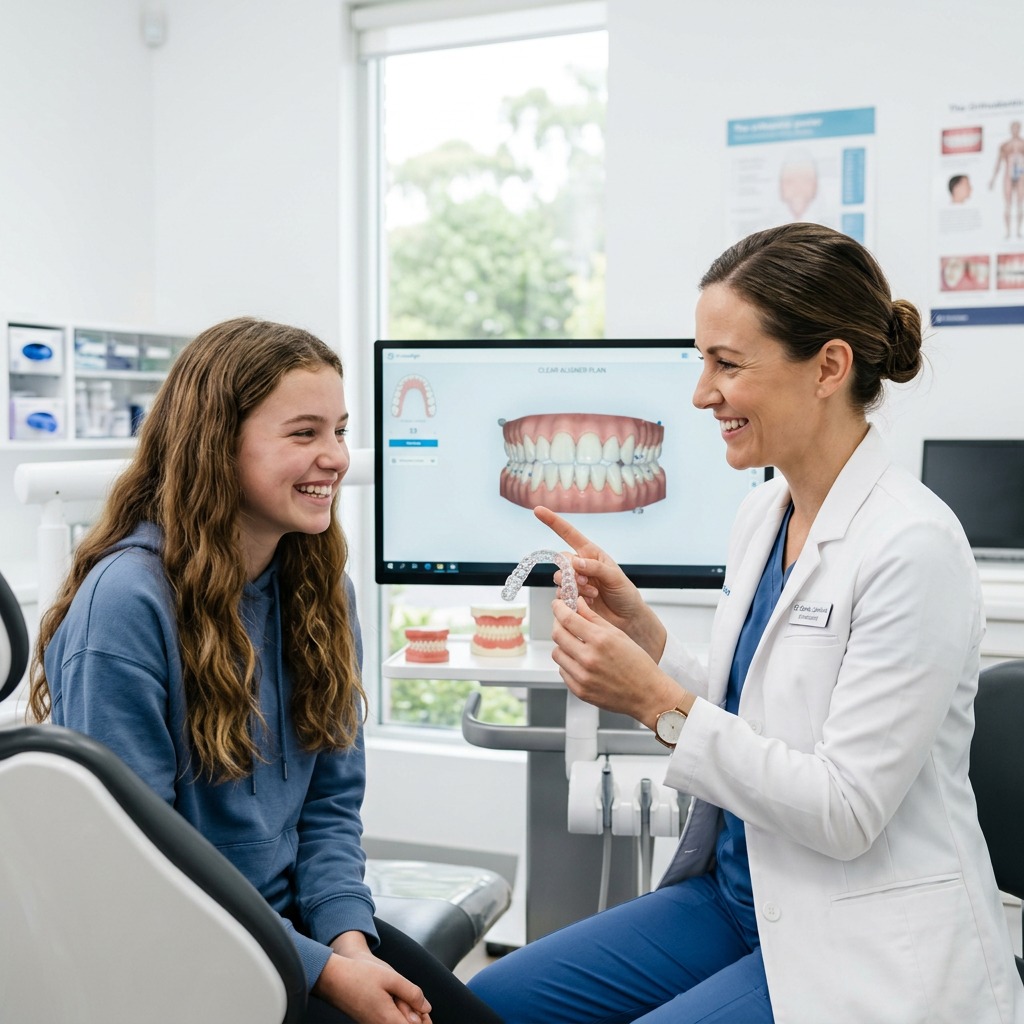
How Taglus Supports a Better Aligner Workflow
A reliable aligner workflow starts with reliable materials, and that is where Taglus fits in. Taglus thermoforming sheets are built to hold consistent thickness and clarity, the thermoforming machines are designed to yield consistent, high-quality output, and Taglus model resins support accurate model fabrication at the base of the workflow. The end-to-end workflow solutions along with reliable customer support make them an excellent choice for orthodontists looking to add efficiency to their aligner workflows.
Conclusion
Emergency visits are rarely entirely avoidable, but a significant portion of them are preventable. With careful treatment planning, better materials, educated patients, and consistent monitoring, orthodontists can reduce emergency visits during aligner treatment and reclaim a meaningful amount of clinical time. The difference often comes down to the systems and standards a practice puts in place before the trays even go in.
Have Questions?
 Talk to us on WhatsApp
Know More About Us
SignUp To Our Newsletter And Get To Know More About Taglus

Taglus is the global industry leader in the manufacturing of innovative clear Aligner and retainer thermoplastic sheets.

Copyrights@taglus-2026
*Taglus is a trademark of Vedia Solutions
Leave a Reply