


Enquire Form
Complete Guide to Starting an In-House Clear Aligner Lab in 2026
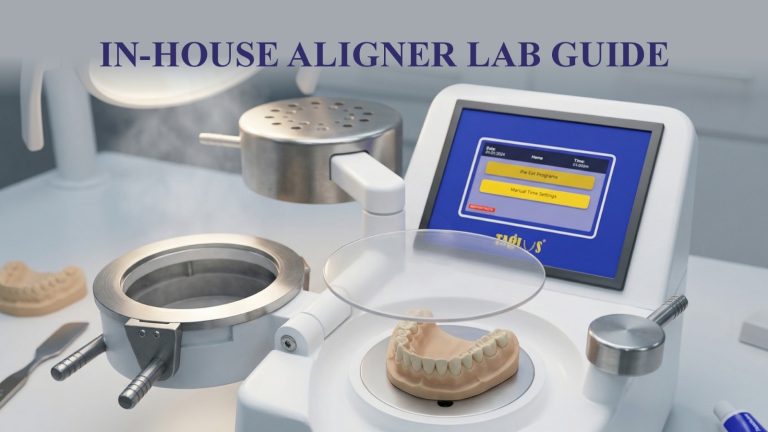
Clear aligners are not an option anymore; they are a mainstream orthodontic treatment. From the provider aspect as well as the customers’ aligners, fulfil the checklist amazingly.
Patients prefer them because they are discreet, removable, clear, and comfortable. For clinics and dental labs, this rising demand has created a new opportunity and a chance to step into digital dentistry.
Because of this gradual but massive traction gain in clear aligners, private practices that earlier depended completely on outsourced aligners are now exploring in-house clear aligner labs.
Yes, though it is a big step for practices to have the in-house set-up. But running one’s own aligner production setup can drastically improve the workflow and accelerate factors like turnaround time, treatment control, and case profitability. But building an in-house aligner lab requires planning, the right technology, and a clear workflow.
If you are planning to start an in-house clear aligner lab in 2026, this guide explains the key steps.
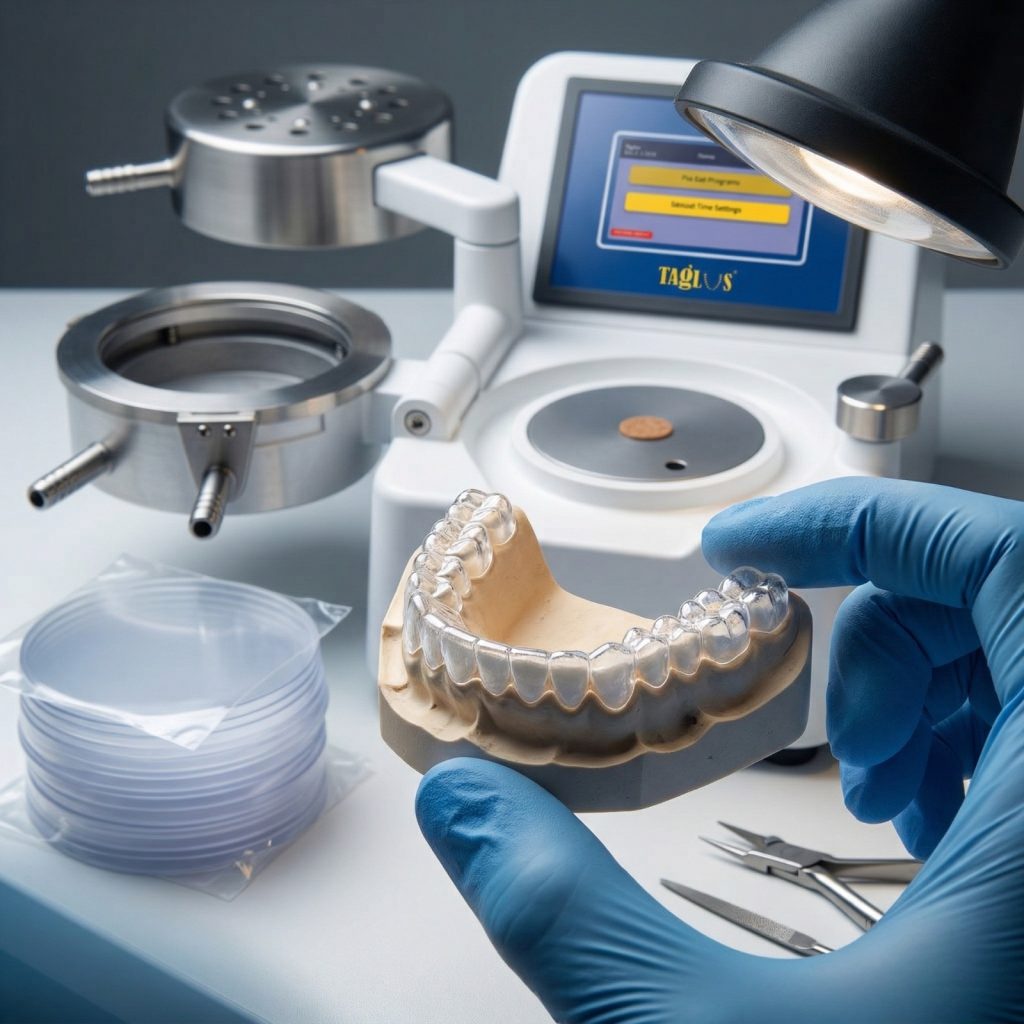
Why Dental Clinics Are Starting In-House Aligner Labs
Outsourcing aligner production works well for many clinics. But it also has multiple limitations.
- Treatment planning changes can take time.
- Refinement aligners may take weeks to arrive.
- Communication between the clinic and the aligner company can sometimes be stressful and also slow down case progress.
An in-house aligner lab allows clinics to control the above-mentioned workflow. Orthodontists can plan movements directly, print models quickly, and produce refinement aligners without delay.
This approach also improves cost efficiency. When clinics handle a consistent volume of cases, producing aligners internally can significantly reduce the cost per patient.
As digital dentistry continues to grow, more clinics are adopting in-house aligner manufacturing as part of their orthodontic workflow.
Step 1: Evaluate Your Aligner Case Volume
First thing before investing in an in-house setup is to evaluate your aligner case load. This is the most important aspect because you are handling only a few aligner cases a month; outsourcing is still the best method to follow.
However, practices that are treating 20 to 30 aligner cases per month often are too engaged and thus having an in-house production is more beneficial for them because:
- Higher case volume helps the clinician recover the investment cost quickly.
- The lab workflow remains active and efficient.
- Changes can be executed with immediate effect without any third party involved
Step 2: Build a Digital Aligner Workflow
Any practice cannot simply follow traditional methods while providing clear aligners, because aligners demand a digital workflow as a primary thing.
So the crucial steps to inculcate digital workflow in your practice are:
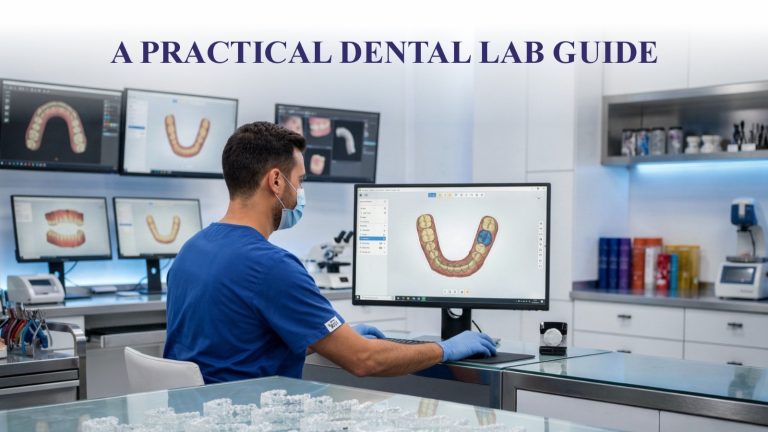
- Digital intraoral scanner to capture a detailed digital impression
- Aligner treatment planning software to map staging and create progressive treatment models
- 3D dental printer for model printing
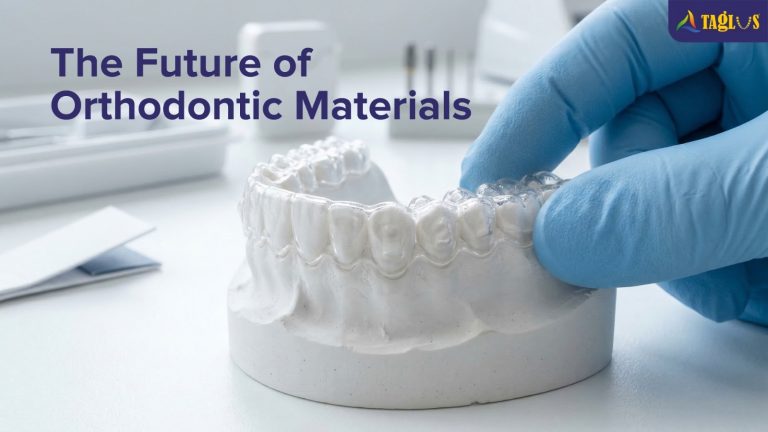
- Thermoforming machines and aligner sheets are used to create the trays.
- Laser aligners cutter to ensure aligners are trimmed, polished, and prepared for patient delivery.
In all the above steps, it is very important to choose a user-friendly thermoforming machine and opt for the aligner material that directly affects the treatment performance. Since every case is different, therefore, factors such as elasticity, thickness, and force delivery should be kept in mind while planning the custom treatment.
Modern aligner systems increasingly use multilayer thermoforming sheets. These materials combine flexibility with strength, allowing better force control and improved patient comfort.
Reliable aligner materials also ensure that the trays maintain their shape during daily wear.
Many dental labs rely on specialised aligner sheets designed for digital orthodontics. Solutions from Taglus provide high-quality thermoforming sheets as well as thermoforming units that are developed specifically for clear aligner manufacturing workflows.
Step 3: Train Your Team for Digital Orthodontics
Technology alone does not create successful aligner treatment.
Dental teams must understand the full digital workflow. Staff should be trained in accurate intraoral scanning, digital case management, and aligner treatment planning.
Lab technicians must also understand model printing, thermoforming techniques, and aligner finishing.
Proper training improves efficiency and reduces production errors.
Step 4: Focus on Quality Control
Quality control is essential in any in-house clear aligner lab.
Every stage of the workflow must be monitored carefully. Scans should be reviewed for accuracy. Printed models should be inspected for defects. Thermoformed aligners must be checked for fit, thickness, and finish.
A consistent quality process ensures predictable orthodontic outcomes for every case.
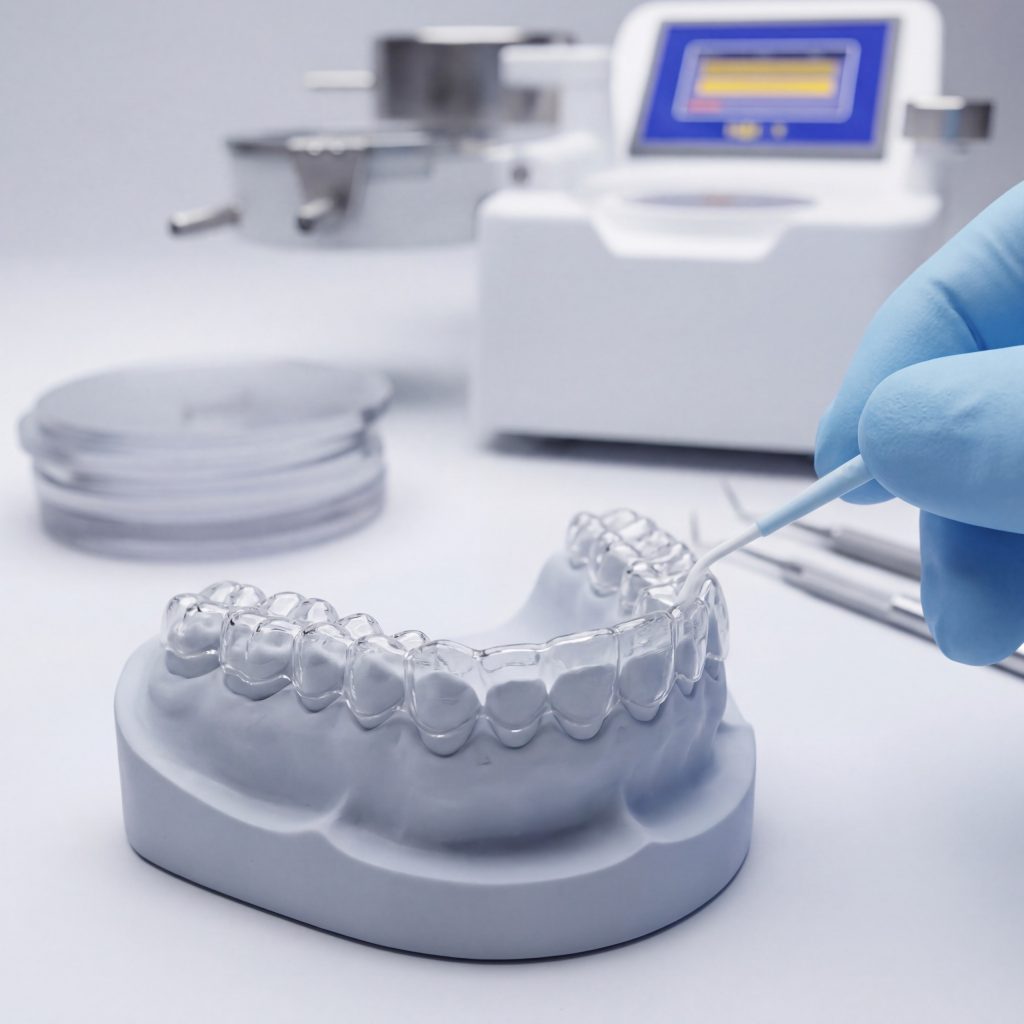
The Future of In-House Aligner Manufacturing
Digital orthodontics is evolving quickly. Faster printers, advanced software, and improved aligner materials are making in-house production more accessible than ever.
In 2026, many progressive clinics are transforming their practices into digital orthodontic centres with in-house aligner labs. With the right workflow, equipment, and materials, clinics can deliver faster treatment and maintain full control over aligner production.
For dental labs and clinics entering this space, reliable materials remain a key part of the workflow. High-performance aligner sheets and solutions from Taglus support efficient and consistent clear aligner manufacturing for modern orthodontic practices.
Know More About Us
SignUp To Our Newsletter And Get To Know More About Taglus

Taglus is the global industry leader in the manufacturing of innovative clear Aligner and retainer thermoplastic sheets.

Copyrights@taglus-2026
*Taglus is a trademark of Vedia Solutions

Leave a Reply