


Enquire Form
Why Stain Resistance and Clarity in Aligners Matter in Modern Aligner Therapy
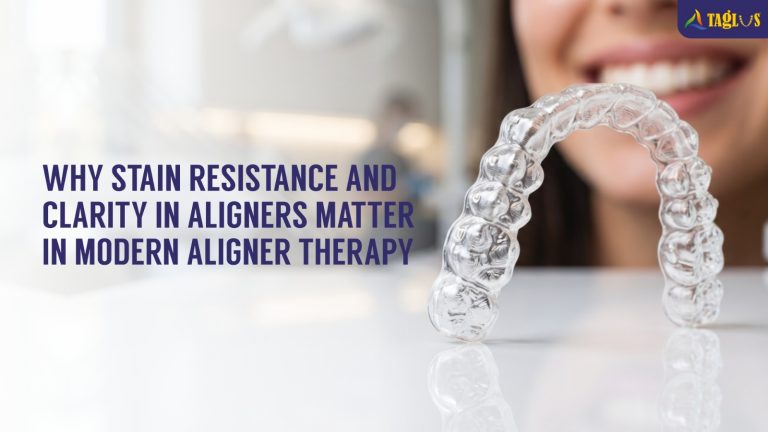
Ever noticed that despite offering optimum fit, smooth edges, and a comfortable wear experience, some patients just do not wear their aligners regularly? There is a lack of compliance, and the reason goes well beyond just the fit and comfort issue. The reason, more often than not, comes down to how the aligner looks. It is one of the least talked about aspects of aligner therapy, but it is an extremely crucial one, particularly among younger patients.
Think about it. One of the primary reasons people choose aligners over metal braces in the first place is the avoidance of that visible, metallic look. But if the aligners fail to deliver on the promise of a discreet orthodontic treatment experience, patients are bound to disengage. Understanding why stain resistance and clarity in aligners matter in modern aligner therapy is something every dental professional should take seriously. So, let’s learn more about it.
Why Stain Resistance and Clarity in Aligners Are More Than Just Cosmetic:
When an aligner loses its transparency, the consequences go beyond aesthetics. Here is what typically happens when patients are wearing aligners that are no longer clear. Let’s find out the reasons why stain resistance and clarity in aligners are more than just cosmetic aspects.
- Treatment no longer feels discreet. The whole point of choosing aligners is to move teeth without drawing attention. A yellowed, turbid or stained aligner defeats that purpose entirely, and patients notice this quickly.
- Patients may start to question whether the aligner is in good condition. If it looks worn or discoloured, it is natural for them to worry that something is wrong with the appliance itself. Whether or not that is actually the case, the perception alone can be enough to undermine their confidence.
- Lack of trust in expected treatment outcomes follows. When a patient is not sure the appliance is working as it should, they become uncertain about whether the whole treatment plan is on track. That uncertainty, over time, tends to translate into inconsistent wear.
- Some patients may even begin to question the quality of the aligners you are providing, or worse, your credibility as a treatment provider. It is an uncomfortable reality, but it does happen. Patients who feel let down by the product often project that disappointment onto the professional who recommended it.
- And then there is the overall patient experience. Aligner therapy is, in many ways, a confidence-driven treatment. Patients invest in it because they want to feel good during the process, not just after. A stained or cloudy aligner significantly disrupts that experience.
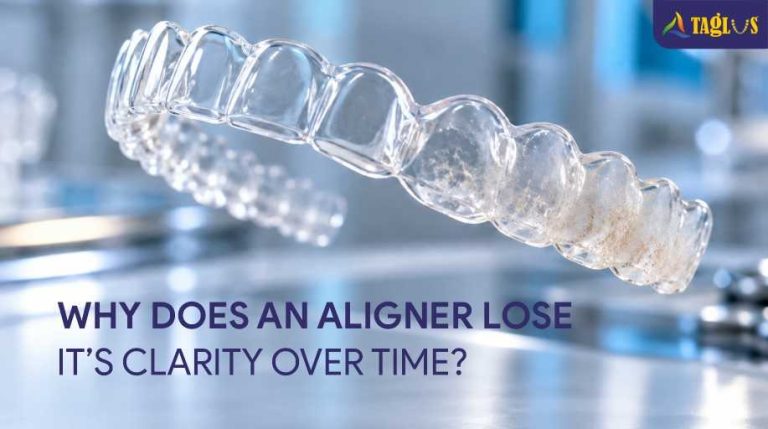
What Actually Causes Aligners to Lose Their Clarity?
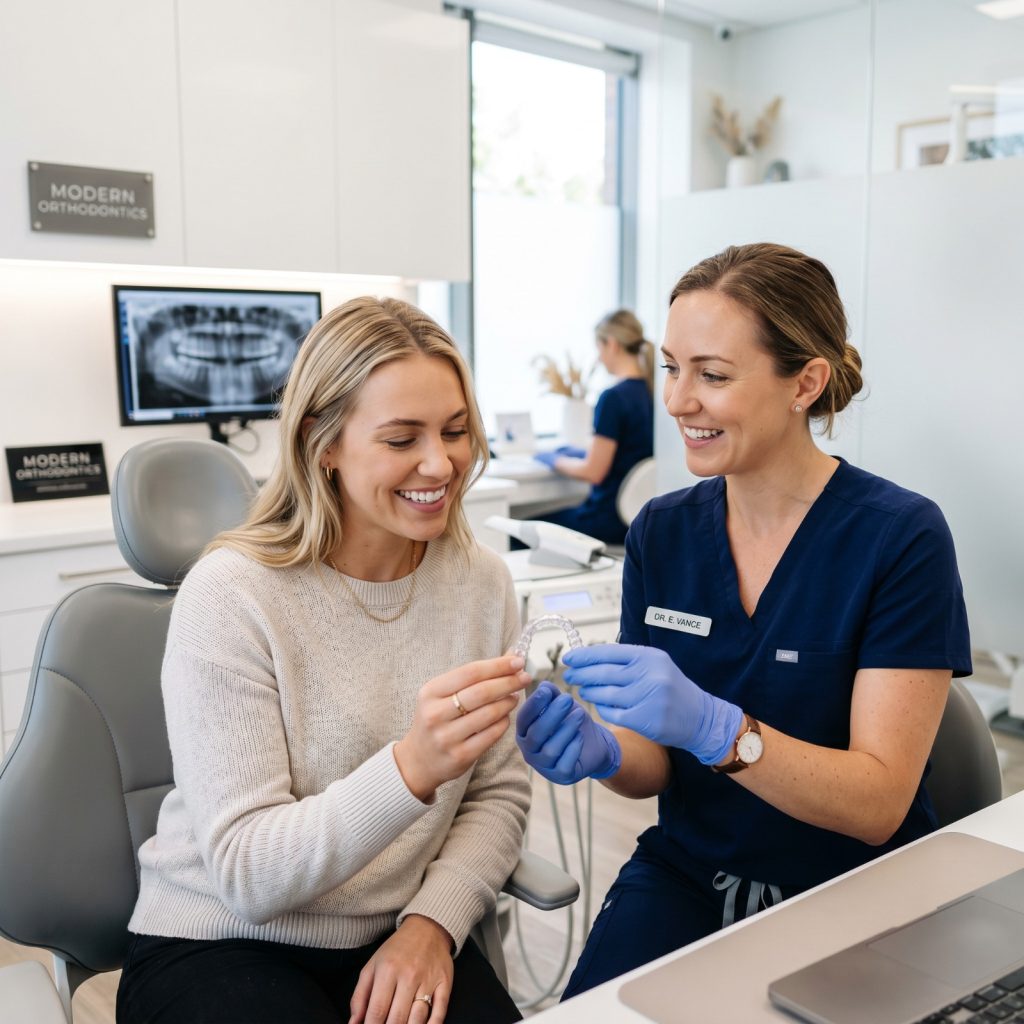
This is something worth discussing openly with your patients, because several of the causes are entirely preventable with the right guidance. That said, material quality also plays a role, and that part is completely in your hands as the prescribing professional.
- Lack of Maintenance: Poor maintenance habits are, perhaps, the most common culprit. Patients who do not clean their aligners properly will notice discolouration far sooner than those who follow a consistent cleaning routine.
- Eating and Drinking with Aligners: Failure to remove aligners while eating or drinking is another major contributor. Coffee, tea, and certain cold drinks can stain aligner material relatively quickly, particularly if patients are in the habit of sipping throughout the day without removing their trays. Smoking has a similar effect, arguably worse. No matter how much you emphasise this in the chair, some patients will need several reminders before the habit actually sticks.
- Poor Oral Hygiene: Poor oral hygiene compounds the problem. When food particles and bacteria are not being adequately removed from the mouth, the aligner picks up that residue. The result is both a hygiene concern and a visibility concern.
- Physical Damage: Physical damage, such as small scratches from using abrasive agents while cleaning the aligners or rough handling, can also affect how clear an aligner appears. Even minor surface scratches scatter light differently, making the appliance look less transparent than it actually is.
- Material Quality: Not all thermoforming materials are created equal. Some are more susceptible to staining than others, and some lose clarity faster under normal wear conditions. This is where your material selection has a direct bearing on what your patients experience day to day.
Choosing the Right Material:
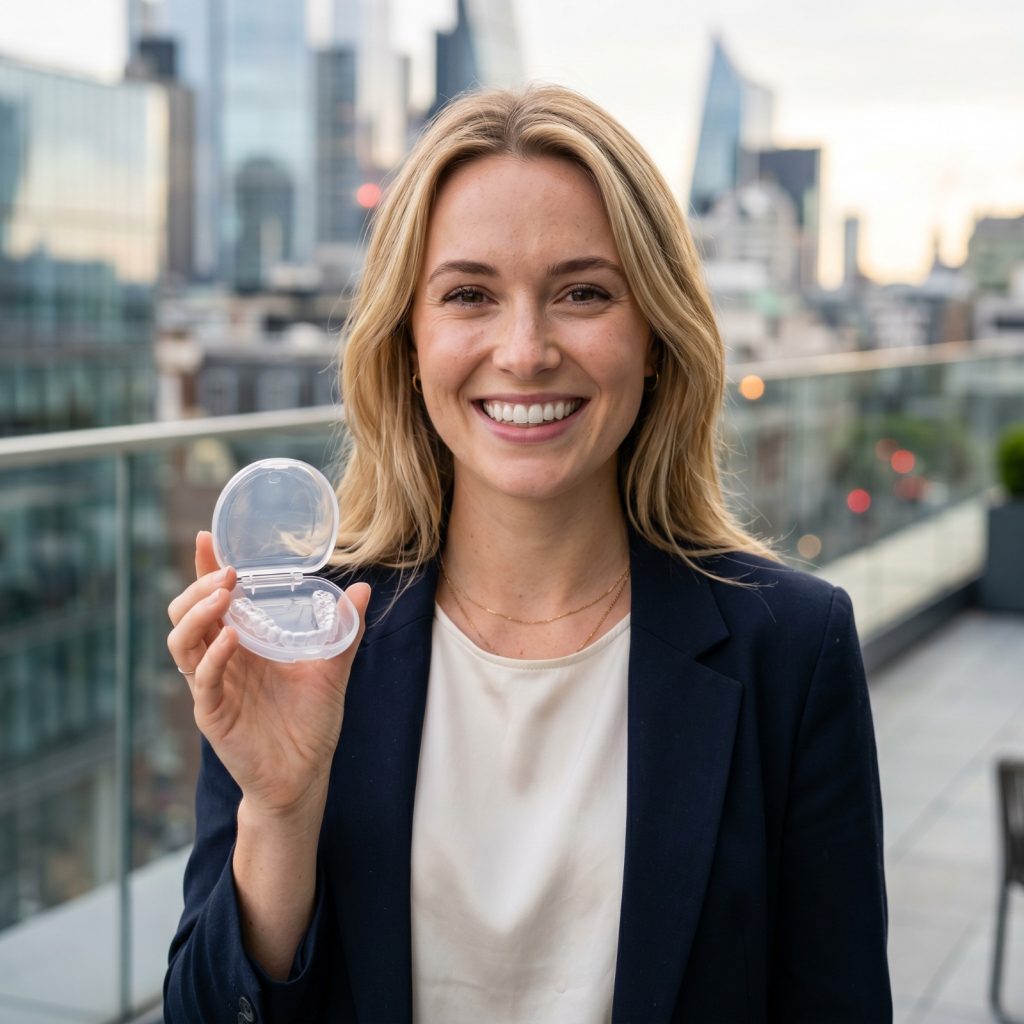
If, along with the overall quality and effectiveness, optical clarity and stain-resistance are the priority, then the thermoforming material you choose matters enormously. The quality of the thermoforming sheet determines how resistant it is to the everyday exposures that cause discolouration, as well as how well it maintains transparency over the course of a treatment cycle.
Taglus materials are developed with high optical transparency and are stain-resistant and scratch-resistant, supporting a cleaner and more aesthetic aligner experience for patients across the duration of their treatment.
To find out more about Taglus thermoforming materials and how they can support better patient compliance and outcomes in your practice, get in touch with our team today.
Have Questions?
 Talk to us on WhatsApp

Know More About Us
SignUp To Our Newsletter And Get To Know More About Taglus

Taglus is the global industry leader in the manufacturing of innovative clear Aligner and retainer thermoplastic sheets.

Copyrights@taglus-2026
*Taglus is a trademark of Vedia Solutions
Leave a Reply