


Enquire Form
The Future of Orthodontic Materials: Bioactive, Smart, Sustainable & Digital Trends
Orthodontics is no longer just about wires, brackets, and plastic appliances. Material science is transforming orthodontic treatment. Latest solutions are redefining the holistic way how orthodontics was delivered, experienced, and manufactured.
For dental labs, orthodontists, and aligner manufacturers, it is absolutely essential to understand the new perspective, pace, and practices to remain in the competition.
Today’s orthodontic materials are becoming bioactive, smart, sustainable, and digitally driven. These innovations are not only proving the dental industry as an evolving business but also improving prognosis, patient comfort, manufacturing efficiency, and environmental responsibility.
This article explores the major material trends shaping the future of orthodontics and what they mean for labs and manufacturers like Taglus.
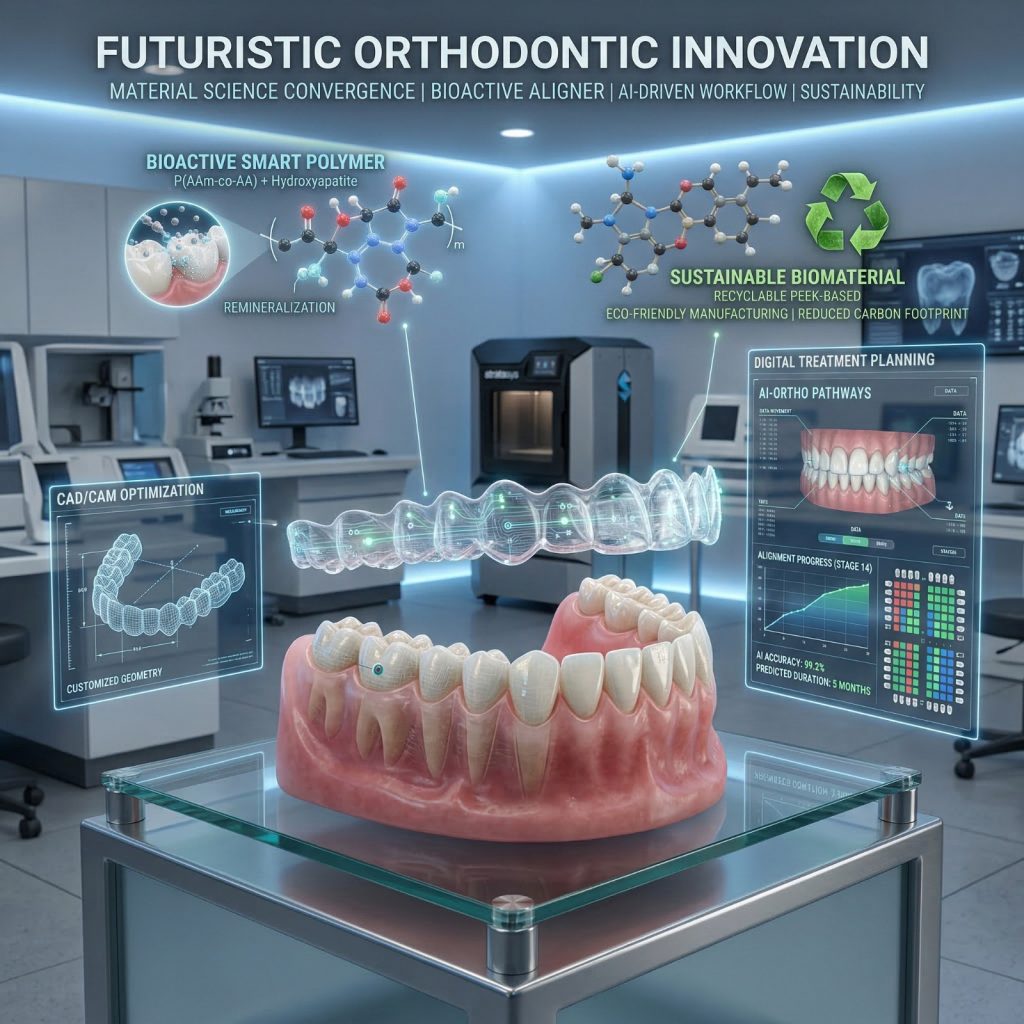
Bioactive Materials: Beyond Passive Appliances
Traditional orthodontic materials are passive; this means they are functional but do not communicate with oral tissues.
They apply force but do not interact biologically with oral tissues. New research is focused on bioactive materials that actively support oral health during treatment.
What Are Bioactive Orthodontic Materials?
Bioactive materials interact with biological tissues to produce beneficial effects such as:
Reducing bacterial growth and supporting enamel protection
Improving tissue response and healing
Reducing reactive behavior like inflammation
Researchers are exploring antimicrobial coatings and bioactive polymers in aligners to reduce plaque accumulation and improve oral hygiene during treatment.
Clinical Benefits
Bioactive orthodontic materials may:
Reduce white spot lesions
Improve periodontal health
Lower risk of caries
Enhance treatment compliance
Reduce treatment complications
Industry Impact
For dental labs and manufacturers, bioactive materials represent:
Higher-value products
Preventive orthodontic solutions
Differentiated aligner systems
Long-term clinical reliability
In the future, orthodontic appliances may not only move teeth but also actively protect oral health.
Smart Materials: Shape Memory and Adaptive Behavior
Another major innovation is the use of smart materials that respond to environmental changes such as temperature, stress, or pressure.
Shape Memory Polymers
Shape memory polymers (SMPs) are one of those smart materials that return to their original pre-decided shape when activated by temperature or mechanical stimulus.
These materials do not lose their flexibility or consistency over time and allow more controlled force delivery during tooth movement.
4D Printing and Adaptive Aligners
Emerging technologies that are still under research include:
Self-adjusting aligners
Force-responsive materials
4D-printed orthodontic appliances
Materials with programmed deformation
Direct 3D printing combined with smart materials may eliminate multiple aligner stages by allowing appliances to change shape progressively.
Why It Matters
Smart materials can:
Reduce material fatigue
Provide predictable force control
Enable fewer refinements
Support advanced digital workflows
For manufacturers, smart materials prove to be a better game changer as they directly change the direction of workflow, providing a bigger shift from static devices to adaptive treatment systems.
Sustainable Orthodontic Materials: The Environmental Shift
Sustainability is the need of this hour. It has become one of the priorities and a major concern globally. Many industries with strict laws couldn’t even survive due to a lack of sustainable solutions.
In 2026 as well, Orthodontics, due to its workflow and solution type, specifically produces significant plastic waste, energy consumption, and material disposal challenges.
Environmental Concerns in Orthodontics
Key environmental issues include:
Single-use plastics in aligners
Material waste during thermoforming
Energy-intensive manufacturing
Chemical exposure risks
Non-biodegradable polymers
Research now evaluates the environmental footprint of orthodontic materials, energy use, and waste management practices.
Sustainable Solutions Emerging
Industry trends include:
Biodegradable polymers
Recyclable aligner materials
Low-energy manufacturing processes
Environmentally safer material design
Growing environmental awareness among manufacturers and clinicians is expected to influence future aligner production and material selection.
Digital Workflow as Sustainability Driver
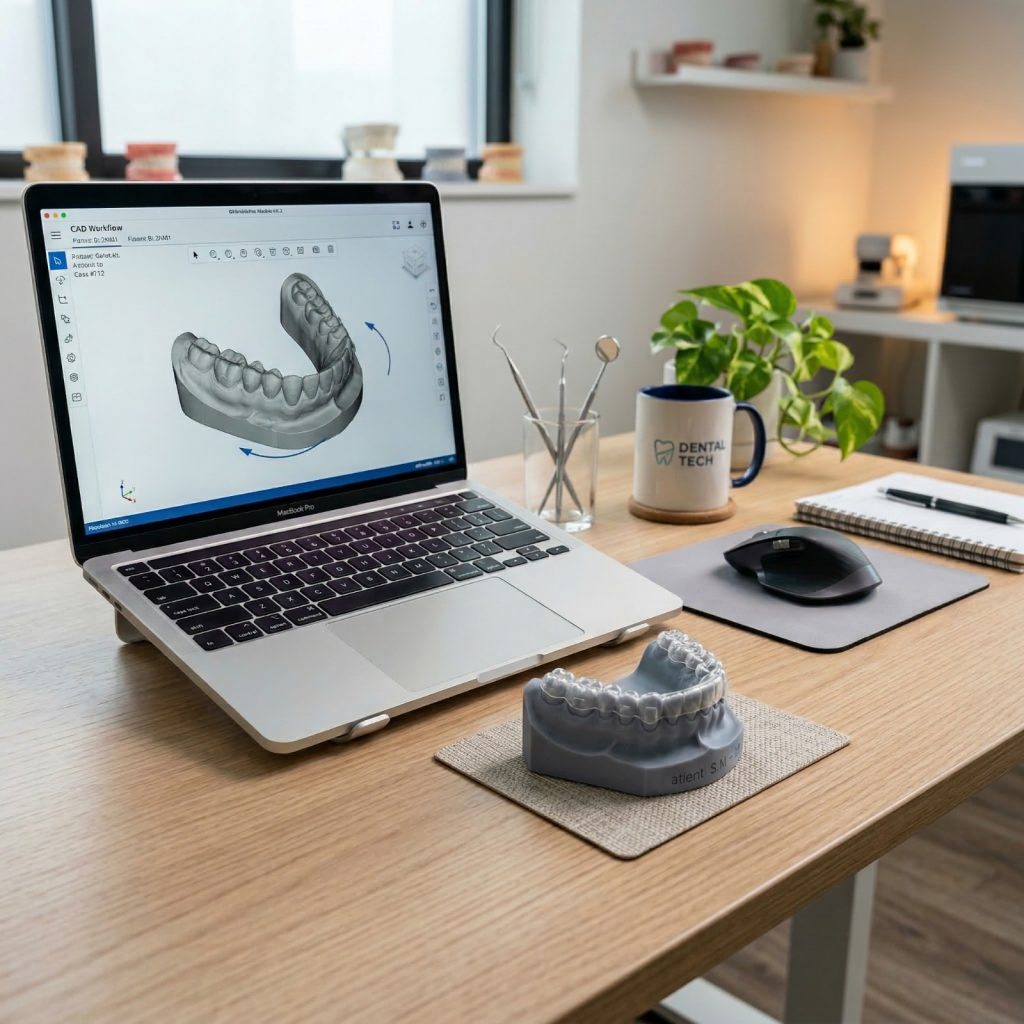
Digital workflows like CAD/CAM systems also reduce environmental impact by:
Eliminating physical impressions and adopting STL files
Reducing material waste
Minimizing patient visits and reducing the wastage of multiple energy forms
Digital Orthodontic Materials and Manufacturing
Digital transformation is reshaping orthodontic material development and appliance fabrication
Evolution of Aligner Materials
Clear aligners have evolved from simple plastics to advanced multilayer polymers such as:
PETG – high transparency and flexibility
Thermoplastic polyurethane (TPU) – durability and elasticity
Multilayer polymer blends – improved mechanical performance
Material properties directly affect treatment performance, force delivery, and patient comfort.
Direct 3D Printing of Orthodontic Appliances
Direct 3D printing is one of the most disruptive developments in orthodontics.
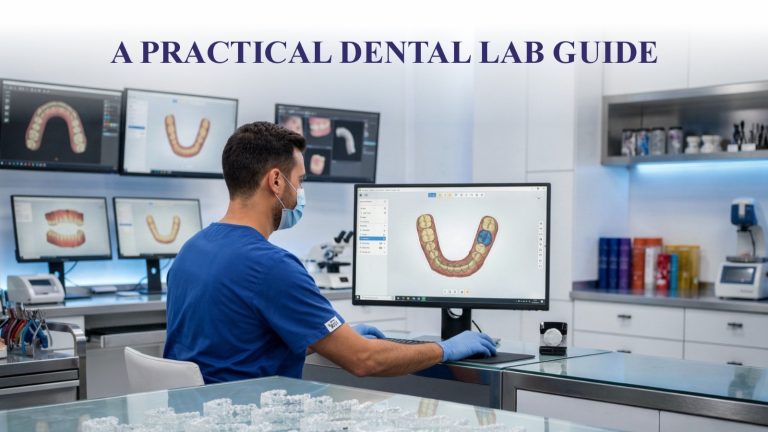
The digital workflow typically includes:
Intraoral scanning
Virtual treatment planning
CAD design
3D printing
Post-processing
Directly printed aligners may improve accuracy and eliminate thermoforming steps.
Custom orthodontic appliances can now be manufactured rapidly with high precision using additive manufacturing technologies.
Clinical and Manufacturing Advantages
Digital orthodontic materials enable:
Precision treatment planning
Faster production cycles
Mass customization
Improved appliance consistency
Reduced human error
Better lab efficiency
For dental labs, digital materials allow scalable production and global collaboration.
The Convergence of Material Science and Digital Dentistry
Technology alone decides the path of any treatment or its outcome, but the sustainability of that innovation and its integration with applied practice are decided by its fruitful characteristics.
Future orthodontic systems will combine all of them through combining technology with a nature supporting foundation, like:
Bioactive surfaces
Smart force delivery
Digital design workflows
Sustainable manufacturing
AI-driven treatment planning
What This Means for Dental Labs
For companies that believe in investing in sustainable outcome, future success depends on:
Material research
Adopting digital manufacturing workflows
Developing sustainable production methods
Improving material performance
Supporting orthodontists with advanced solutions
The orthodontic industry is moving toward personalized, efficient, and biologically supportive treatment systems. Labs that adapt early will lead the next phase of orthodontic innovation.
Decades ago, aligners were a dream that nobody knew would transform the way orthodontics looked in that era. Smart materials, aggressive digital workflow, sustainable practices, and solutions will follow the same course and change how orthodontics looks today. The essential part is to stay parallel with the advancements, trust the process, and envision a system that supports nature in the best possible way.
Citations:
https://journals.salviapub.com/index.php/gmj/article/view/3918/3391?
Know More About Us
SignUp To Our Newsletter And Get To Know More About Taglus

Taglus is the global industry leader in the manufacturing of innovative clear Aligner and retainer thermoplastic sheets.

Copyrights@taglus-2026
*Taglus is a trademark of Vedia Solutions

Leave a Reply